Google's Content API Shuts Down August 18: What Shopify Merchants Actually Need to Check
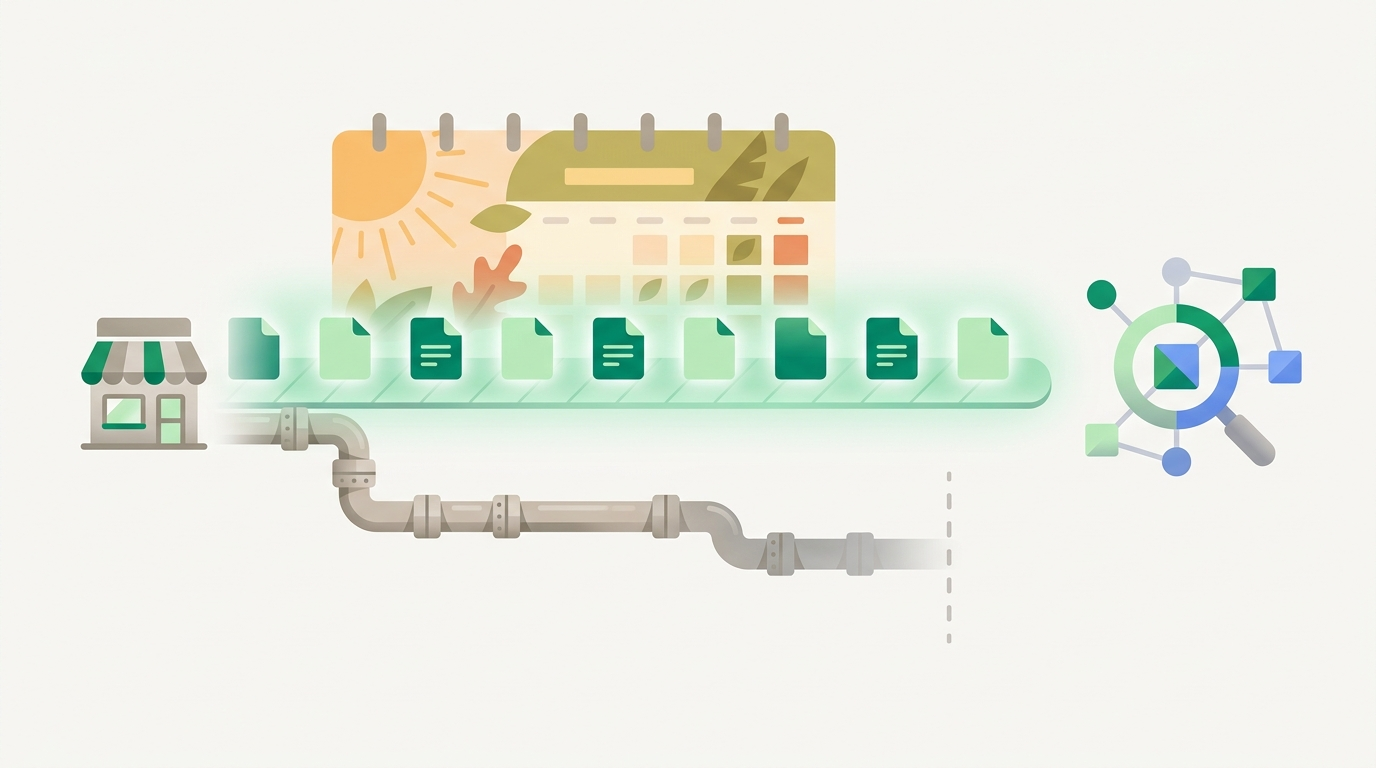
There are two Google deadlines back to back this August: the bidding-target change on August 17, and this one — on August 18, the Content API for Shopping shuts down. If you’ve seen the developer posts and felt a spike of dread, here’s the good news up front: whether this affects your store at all comes down to a single question, and for many Shopify merchants the honest answer is “you’re fine.”
This is the merchant version of the story — no code, just what to check, what actually happens if your tooling isn’t ready, and the questions to put to your feed app this week.
The one question that decides everything
How does your product data reach Google Merchant Center? There are two fundamentally different routes:
- A feed file Google fetches — an XML or TSV file your feed tool hosts, which Merchant Center pulls on a schedule (or that’s uploaded manually). This route is not affected by the sunset at all. File feeds, scheduled fetches, and manual uploads keep working exactly as they do today. No action required.
- An API connection that pushes products — an app, custom integration, or agency script that writes product data into Merchant Center through the Content API. This is what shuts down on August 18. Every tool on this route must have migrated to the successor (the Merchant API, which has been generally available since last year) — or its updates stop.
You can check which route you’re on in Merchant Center under your product sources, or just ask your feed app the questions below. For what it’s worth, this split is why we’ve always used the scheduled-fetch model at Simple Product Feeds — every feed we generate is a file Google fetches from a stable URL. Structurally, there’s nothing for us (or our merchants) to migrate. The boring submission method aged well.
What actually happens if a tool didn’t migrate
Precision matters here, because the developer-blog coverage overstates it. Google’s own language, from the extension-request process, is that un-migrated integrations “will experience service degradation” that “may impact performance across both your advertising and organic experiences.”
Here’s the realistic failure sequence — note what it isn’t:
- Your products do not vanish on August 18. No Google source says products are deleted at the sunset. What stops is the updating.
- A dead API connection means prices, availability, and new products stop syncing. Your live listings drift out of date.
- Stale data then does the real damage: price-mismatch and availability disapprovals accumulate as Google compares your listings to your site, and — since Merchant Center items expire after 30 days without refresh — un-updated products age out over the following weeks. (That last step is our inference from Merchant Center’s standard expiry behavior; Google hasn’t published an hour-by-hour timeline.)
So the risk isn’t a cliff on the 18th — it’s a slow leak that starts on the 18th, does visible damage within days for fast-moving catalogs, and empties the account within about a month. Quieter than the scary version, still fully worth preventing.
One warning while you’re checking: don’t reinstall the Google & YouTube app
If your store uses Shopify’s Google & YouTube app, its migration is automatic — Google says no action is needed. But there is a live bug you should know about: merchants who uninstall and reinstall the app right now are reporting rewritten product IDs that disconnect products from campaigns and erase performance history. Google says a fix is deploying for a “small subset” of merchants. Until that’s confirmed done: whatever troubleshooting you’re doing, don’t uninstall-reinstall that app. (We’re tracking this story separately — it deserves its own piece.)
The questions to ask your feed tool this week
If your products reach Google through an app’s API connection, send its support team this short list:
- “Has your integration migrated from the Content API to the Merchant API?” — the only question that matters; “yes, complete” is the only good answer.
- “What submission method does my feed use — API push or scheduled fetch?” — so you know your route for certain.
- “If anything goes wrong on August 18, what’s the fallback?” — the right answer involves a file-based feed you can switch on.
Where public confirmations stand as of this writing: Channable completed its automatic migration on July 1, Feedonomics has said customers need no action, and the Google & YouTube app migrates automatically. For several other popular Shopify feed apps we could not find a public migration statement either way — which doesn’t mean they’re unready, but it does mean the question above is worth sending rather than assuming.
Want the route that doesn’t need migrating? Simple Product Feeds generates scheduled-fetch file feeds — install free and your Google connection has no API dependency to break.
If you run custom integrations or agency scripts
The sunset also applies to in-house code and agency scripts built on the Content API. Two things to know:
- Extensions exist, but they’re developer-side. Google offers a formal extension request (to October 15, or December 31 “for exceptional cases only”) — it requires the Google Cloud project IDs behind the integration, so it’s filed by whoever owns the code, not by a merchant on a vendor’s behalf. If your agency built custom feed tooling, forward them this paragraph today.
- Google has shipped unusual amounts of migration tooling — including an MCP documentation service that plugs Merchant API docs directly into AI coding assistants. If your developer uses Claude Code or Cursor, the migration is very automatable in 2026. (That Google now ships MCP services is its own signal about where merchant tooling is heading — we’ve written about operating your feed with an AI agent.)
The bigger picture
The Merchant API isn’t just a rename — it’s Google rebuilding merchant infrastructure for a faster-moving, more AI-mediated Shopping ecosystem, the same arc as AI Max and the conversational shopping surfaces. The merchants who come through these two August deadlines cleanly will mostly be the ones whose product data pipeline is boring, observable, and owned — a file Google fetches, from a tool that shows you what’s in it. If you’re auditing where you stand, start with the complete guide to product feed management.
Ready to simplify your product feeds?
Simple Product Feeds connects your Shopify store to Google Shopping, Meta, and more — in minutes.
Install Simple Product FeedsFrequently Asked Questions
- Will my products be deleted from Google on August 18?
- No. No Google source says products are deleted at the sunset. What stops is updating: if your tool still used the Content API, prices, availability, and new products stop syncing, disapprovals accumulate as data goes stale, and un-refreshed items age out through Merchant Center’s normal 30-day expiry over the following weeks.
- Are file-based feeds and scheduled fetches affected?
- No. XML/TSV feed files, scheduled fetches, and manual uploads are completely unaffected by the Content API sunset. Only tools that push product data through the Content API must migrate to the Merchant API.
- Is the Shopify Google & YouTube app affected?
- Google says the app’s migration is automatic and no merchant action is needed. One caution: a live bug currently rewrites product IDs when merchants uninstall and reinstall the app, disconnecting campaign history — avoid reinstalling it until Google confirms the fix has fully deployed.
- Can I request an extension for my feed app?
- Extensions (to October 15, or December 31 for exceptional cases) exist but are developer-side — the request requires the Google Cloud project IDs behind the integration, so it must be filed by whoever owns the code. Merchants cannot file one on a vendor’s behalf.
- What is the Merchant API?
- The Merchant API is Google’s successor to the Content API for Shopping — generally available since 2025, it is the modernized way for tools to programmatically manage Merchant Center data. If your feed tool pushes via API, it should confirm its Merchant API migration is complete before August 18, 2026.
Related Articles

Google's August 17 Bidding Change: What Shopify Shopping Advertisers Need to Do
Google's Aug 17, 2026 Smart Bidding change makes your tCPA/tROAS targets binding on budget-limited Shopping and PMax campaigns. What changes, who's affected, the pre-deadline checklist — and the feed-side levers nobody covers.
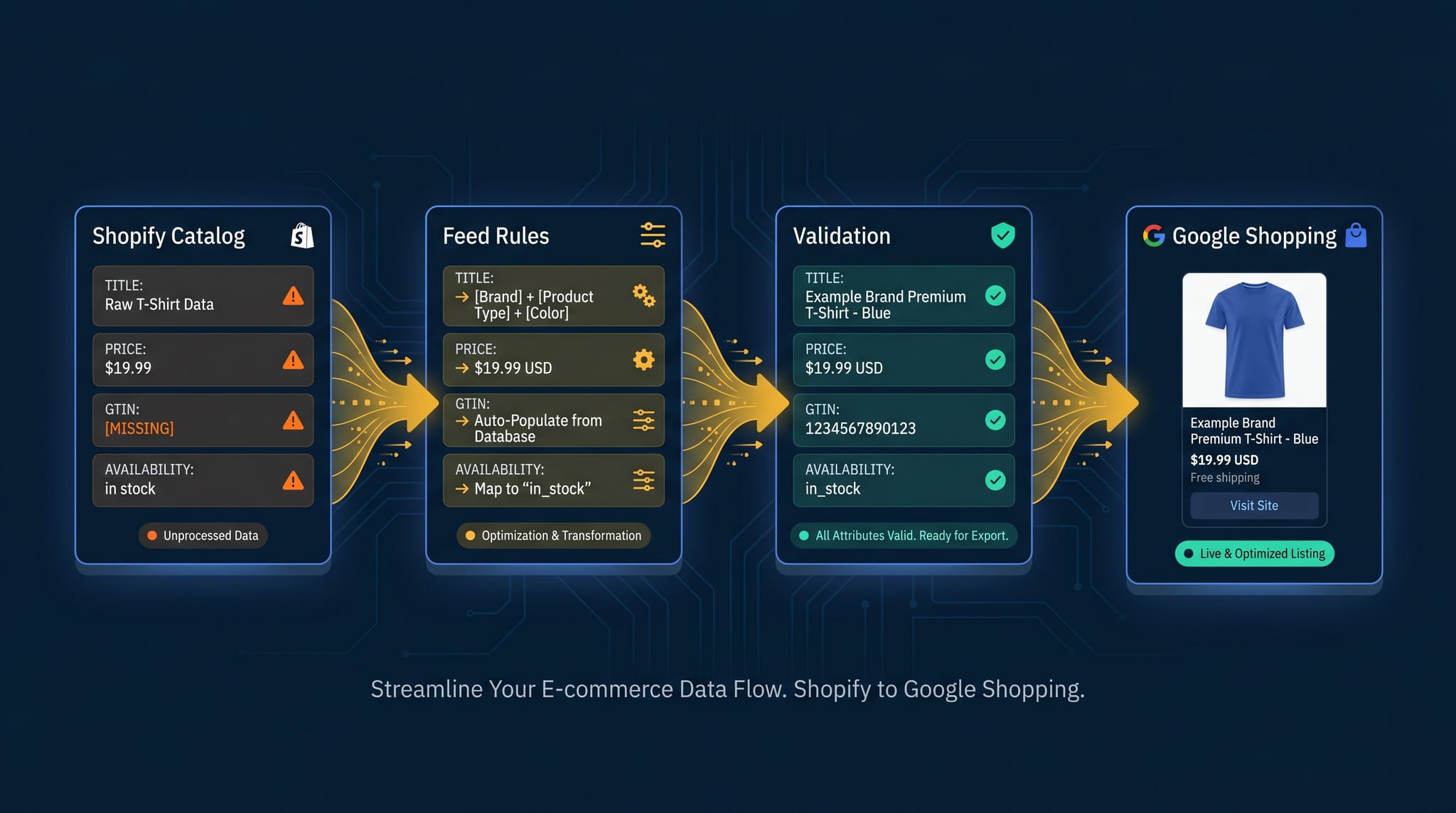
The Complete Guide to Product Feed Management for Shopify
Product feed management is more than syncing your catalog. Here's the complete guide to how it works, what breaks, and how Shopify merchants do it right.

How to Manage Your Shopify Product Feed with Claude Code
Connect Claude Code to your Shopify product feed: diagnose disapprovals, trace any row, apply fixes with preview-and-confirm, and verify — a working guide with real agent sessions.
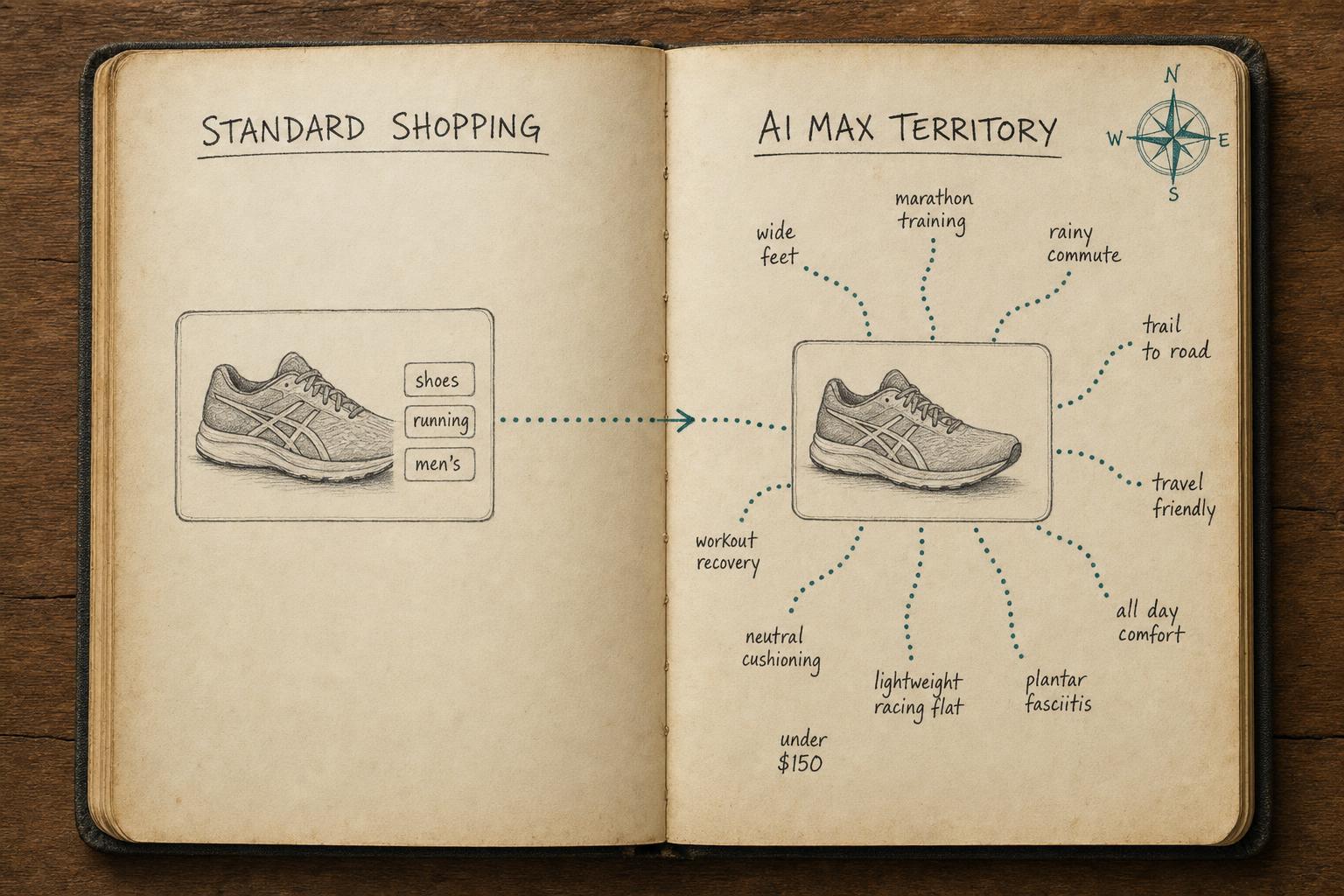
Is Your Shopify Feed Ready for AI Max for Shopping?
Is your Shopify feed ready for AI Max for Shopping? Run this pre-launch checklist before you enable it — or risk wasting budget on weak signals.